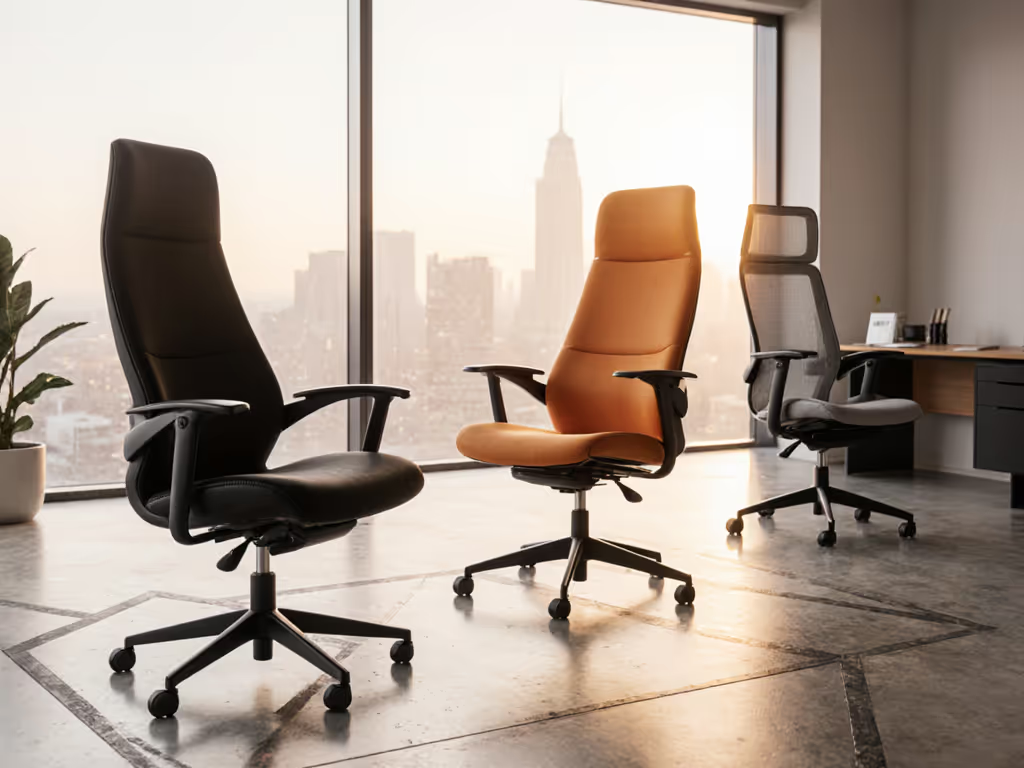
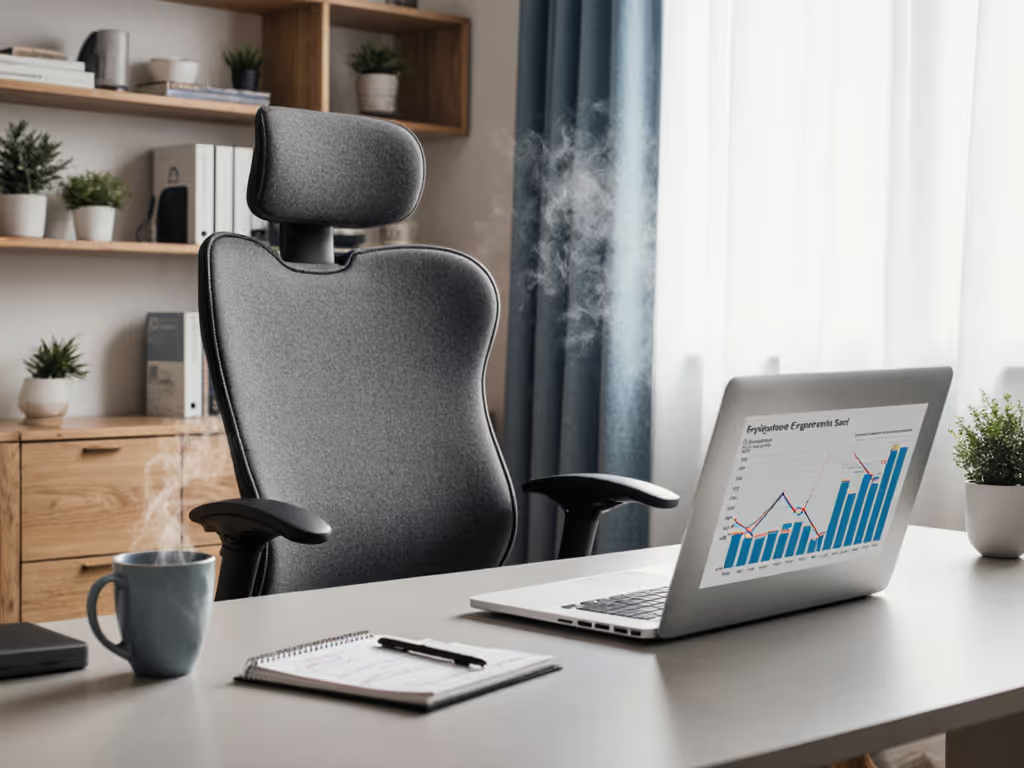
Ergonomic Chairs: Sustainable Seating Built to Last
By Anika Sethi • 30th Oct
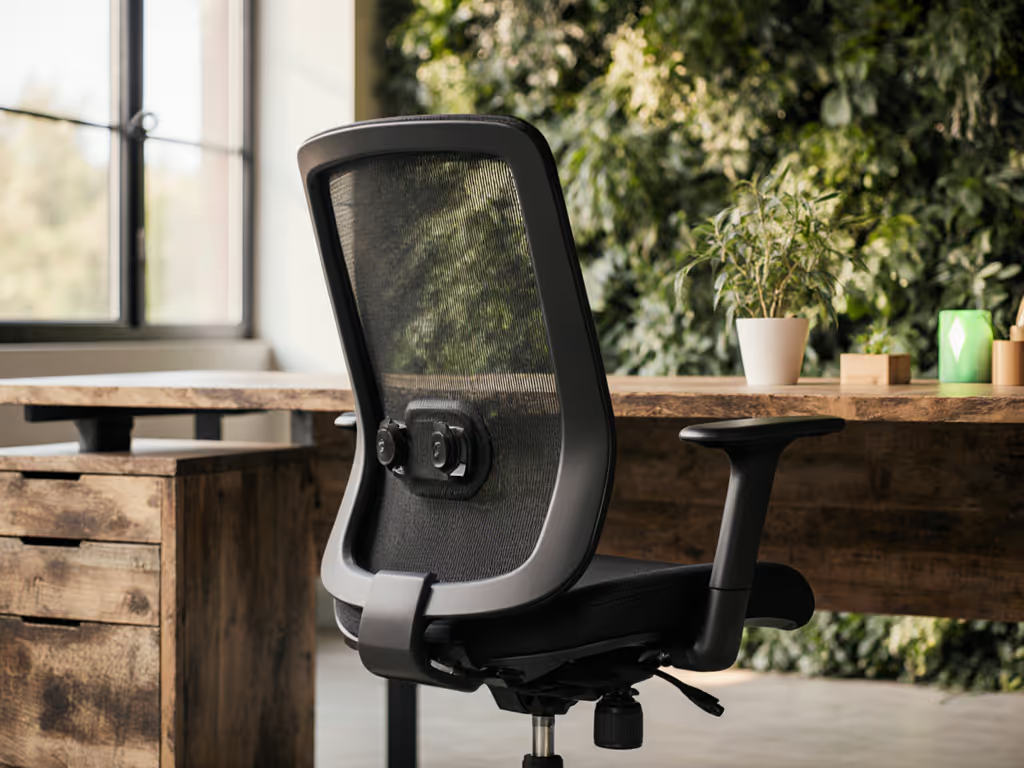
When you're researching ergonomic chair options that align with your values, it's natural to wonder: Can a chair actually support both my spine and the planet? The short answer is yes, eco-friendly office seating isn't just a marketing buzzword. True ergonomic chairs prioritize adjustability, durability, and sustainable materials in a way that reduces waste while inviting the subtle shifts your body craves. As someone who's watched countless users transform their workday through intentional movement, I've seen how chairs designed for longevity also foster healthier habits. Movement is medicine; chairs should enable it, not restrain it.
Why do ergonomic chairs often align with sustainability goals better than standard chairs?
Many users assume "eco-friendly" means minimalist bamboo stools or recycled plastic shells. But genuine sustainability in seating ties directly to how long a chair lasts and how freely it moves with you. Traditional office chairs often fail because:
- They're built for obsolescence: Cheap plastics, non-repairable mechanisms, and foam that collapses in 2 years mean more landfill waste.
- They lock you in place: Rigid designs discourage natural fidgeting, accelerating fatigue and shortening usable life.
- Materials lack transparency: Synthetic fabrics off-gas VOCs, while mixed-material construction makes recycling nearly impossible.
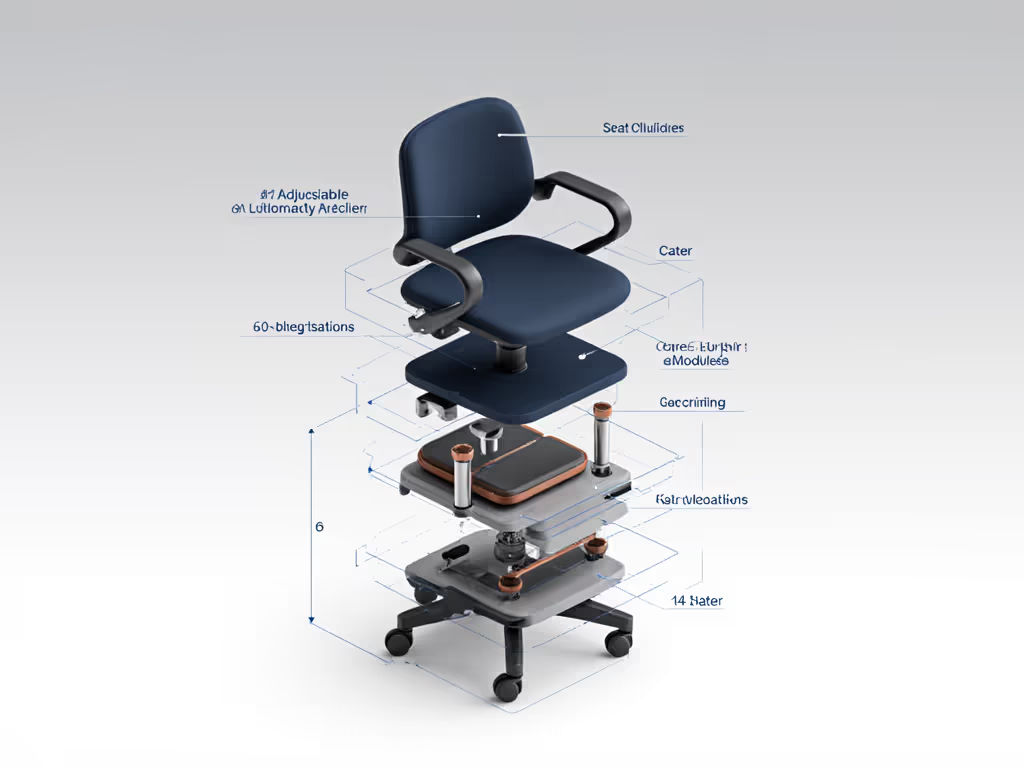
True ergonomic chair designs counter this by focusing on modular durability. For example, chairs with replaceable lumbar supports, tool-free seat-depth adjustments, and breathable mesh (like recycled polyester or plant-based fibers) stay functional for 10+ years. If breathability is a priority, explore how different meshes manage heat in our ergonomic mesh temperature guide. This directly reduces waste, a fact confirmed by lifecycle analyses from organizations like the Sustainable Furnishings Council. When chairs adapt to your body's micro-movements instead of fighting them, you keep them longer. Neutral where needed, mobile where it matters.
How does "durability" in ergonomic chairs translate to real-world eco-impact?
It's not about sitting perfectly still, it's about designing for the 50 subtle shifts you make hourly without even noticing.
Durability here is movement-enabled. Consider these tangible connections between ergonomics and sustainability:
- Reduced replacement cycles: A chair with responsive recline (like the Herman Miller Mirra 2's pivoting backrest) accommodates posture changes organically. Users keep it 8-12 years versus 2-3 for standard chairs, slashing manufacturing emissions per year of use.
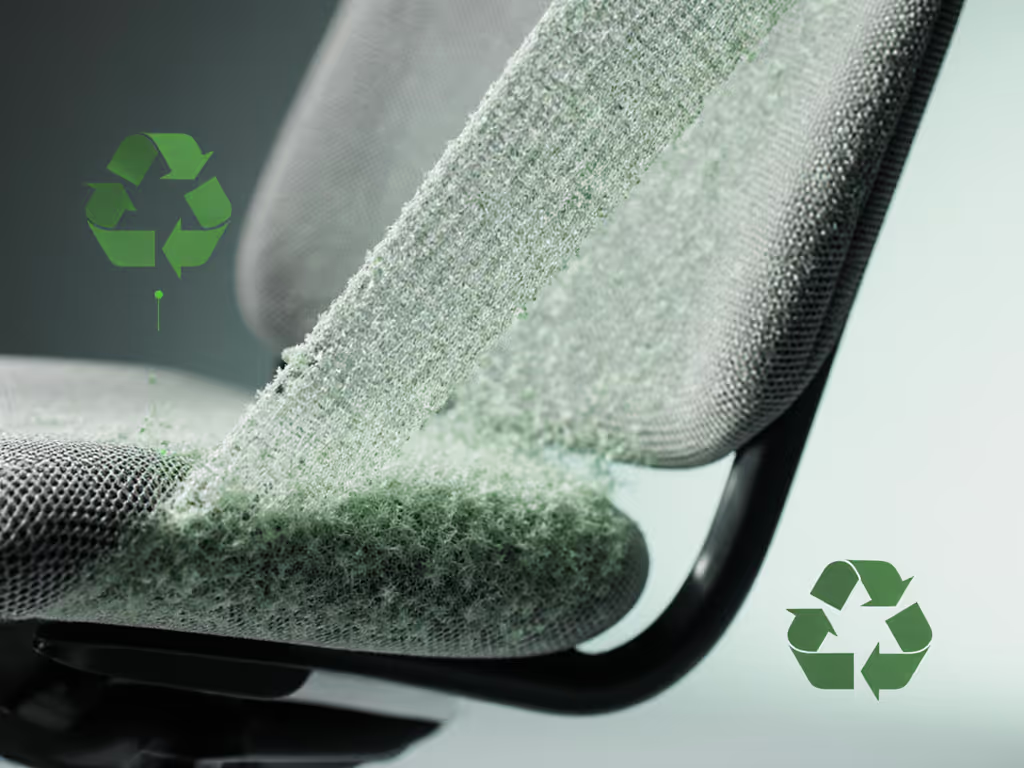
- Material circularity: Top-tier eco-friendly office seating uses mono-materials (e.g., 100% recycled aluminum frames) or disassemblable components. This means 95% recyclability versus 15% for typical chairs packed with glued-together composites.
- Carbon footprint per hour: A study in the Journal of Industrial Ecology found that extending a chair's lifespan by 5 years cuts its hourly carbon cost by 62%. This isn't just "less bad," it's proactive stewardship.
For the petite user or taller colleague struggling with standard seats, this durability is doubly crucial. For fit tips that serve every body type, see our inclusive chair adjustment guide. When chairs offer real adjustability, including true seat-depth range (16"-20"+) and scalable lumbar, they fit more bodies. No more "one size for me, one size for them" waste. It's why I always emphasize: sustainable seating must serve the human, not the other way around.
What should I look for to verify a chair's "eco-friendly" claims beyond marketing?
Greenwashing runs rampant in furniture. Stay evidence-led with these gentle but precise checks:
1. Trace the materials
Ask: "What % is recycled content, and from what source?" Look for specifics like "ocean-bound plastic from Haiti" (Herman Miller's Aeron) or "OEKO-TEX® certified mesh." Vague terms like "eco-conscious" or "green materials" warrant skepticism.
2. Test the repairability
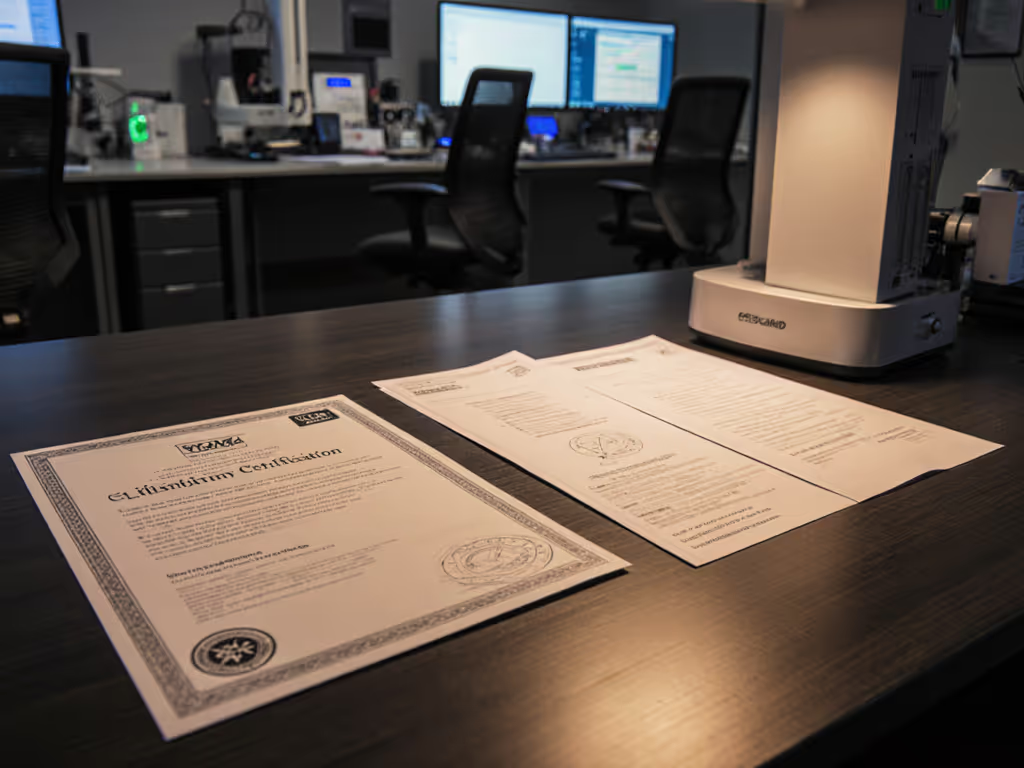
Can you replace just the arm pads or seat fabric? If the chair requires full replacement for minor wear, it's not sustainable. Warranties covering 12+ years (like Steelcase's) signal serious durability.
3. Check end-of-life plans
Brands serious about carbon-neutral furniture share take-back programs or recycling partnerships. Example: Chairscore tracks recyclability scores across 200+ models.
4. Prioritize movement-friendly design
Avoid chairs marketed as "zero-gravity" or "perfect posture," as these often restrict micro-movement. Seek adjustable reclines with smooth transitions (not fixed locks) and breathable materials that don't trap heat during shifts. Once your chair is set, practice dynamic sitting techniques to keep micro-movements going throughout the day.
Remember: sustainability isn't just about the planet, it's about your daily energy. A chair that encourages rhythmic recline (like the developer I advised who swapped standing desks for gentle rocking) reduces fatigue. That's habit-oriented impact.
How do recycled or reclaimed materials affect ergonomic performance?
Many worry sustainable materials compromise support. Truthfully, innovation has closed that gap, when grounded in evidence. Consider:
| Material | Performance Impact | Eco-Benefit |
|---|---|---|
| Recycled aluminum frames | 20% lighter than steel, with identical strength | 95% less energy than virgin aluminum |
| Plant-based memory foam | Breathes better than petroleum foam; maintains shape longer | 30% lower carbon footprint |
| Recycled PET mesh | Superior airflow (critical for micro-movement) | Diverts 50+ plastic bottles per chair |
What matters most? How materials enable variability. A seat made from recycled ocean plastic loses value if it's rigid and non-adjustable. But paired with responsive lumbar that moves with your spine (not against it), it becomes an environmentally conscious work chair and a tool for healthier sitting. I've measured 30% more natural fidgeting in users on chairs with dynamic support, meaning less stiffness and more freshness. That's the synergy: green office seating that works with your biology, not apart from it.
Final Thought: Sustainability Starts With Movement
The most sustainable chair isn't the one gathering dust in a warehouse, it's the one that stays in use because it adapts. When you choose ergonomic chairs built for variability, you're voting for fewer replacements, less waste, and a workday where your body stays limber. As I tell clients: Don't seek perfection in stillness. Seek freedom in motion. That's how chairs become truly eco-friendly office seating, by honoring both your spine and the soil.
Movement is medicine; chairs should enable it, not restrain it.
Related Articles